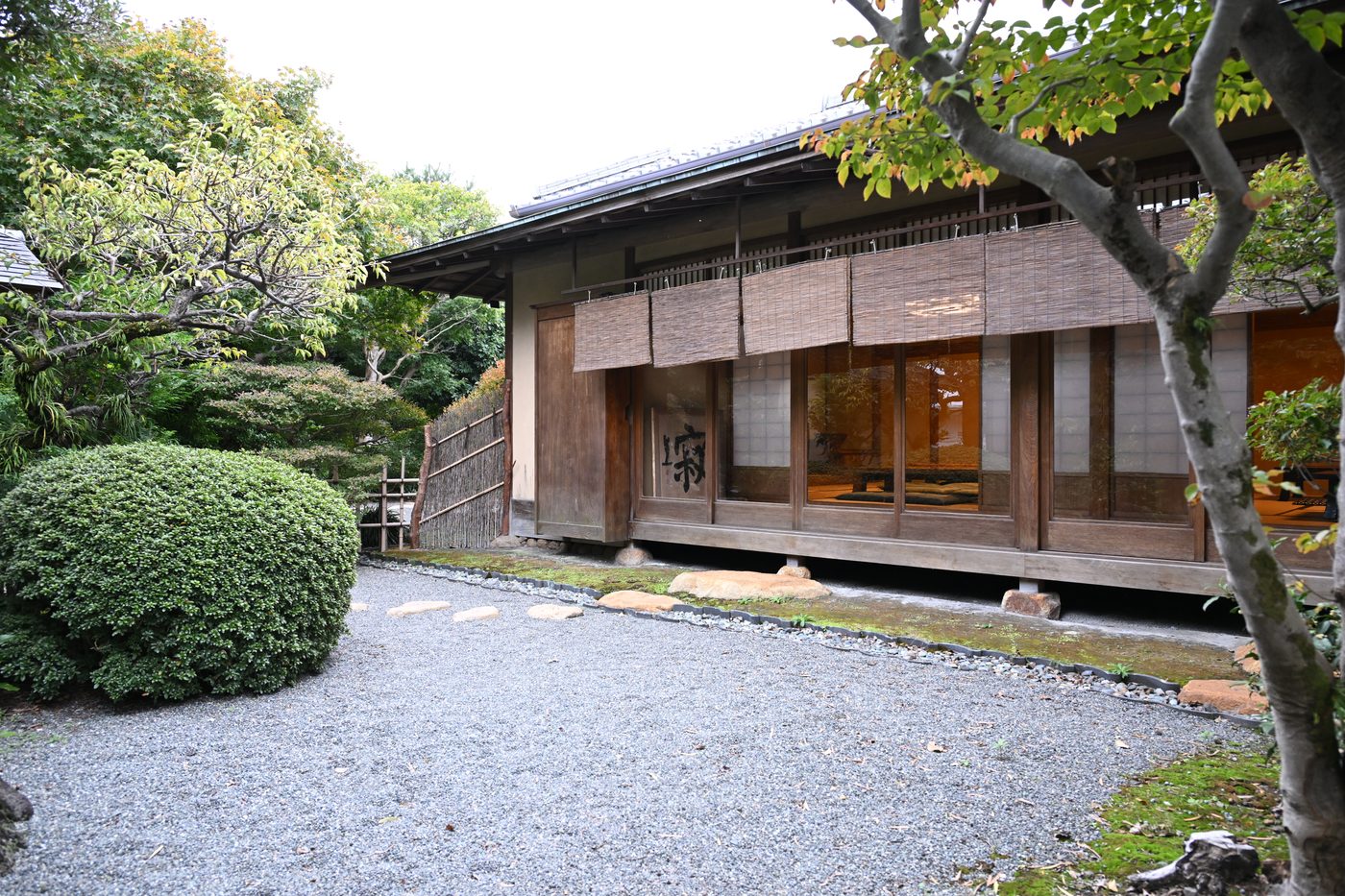
Shizuoka — Japan's tea country
Tea is part of everyday life in Shizuoka, on Mt. Fuji's southern side. Taking time over a cup adds another way to experience the area: the aroma of the leaf, the warmth of the cup and a quiet pause between the day's views and activities. On our private half-day tour, your guide helps connect those small details to the place you are visiting.
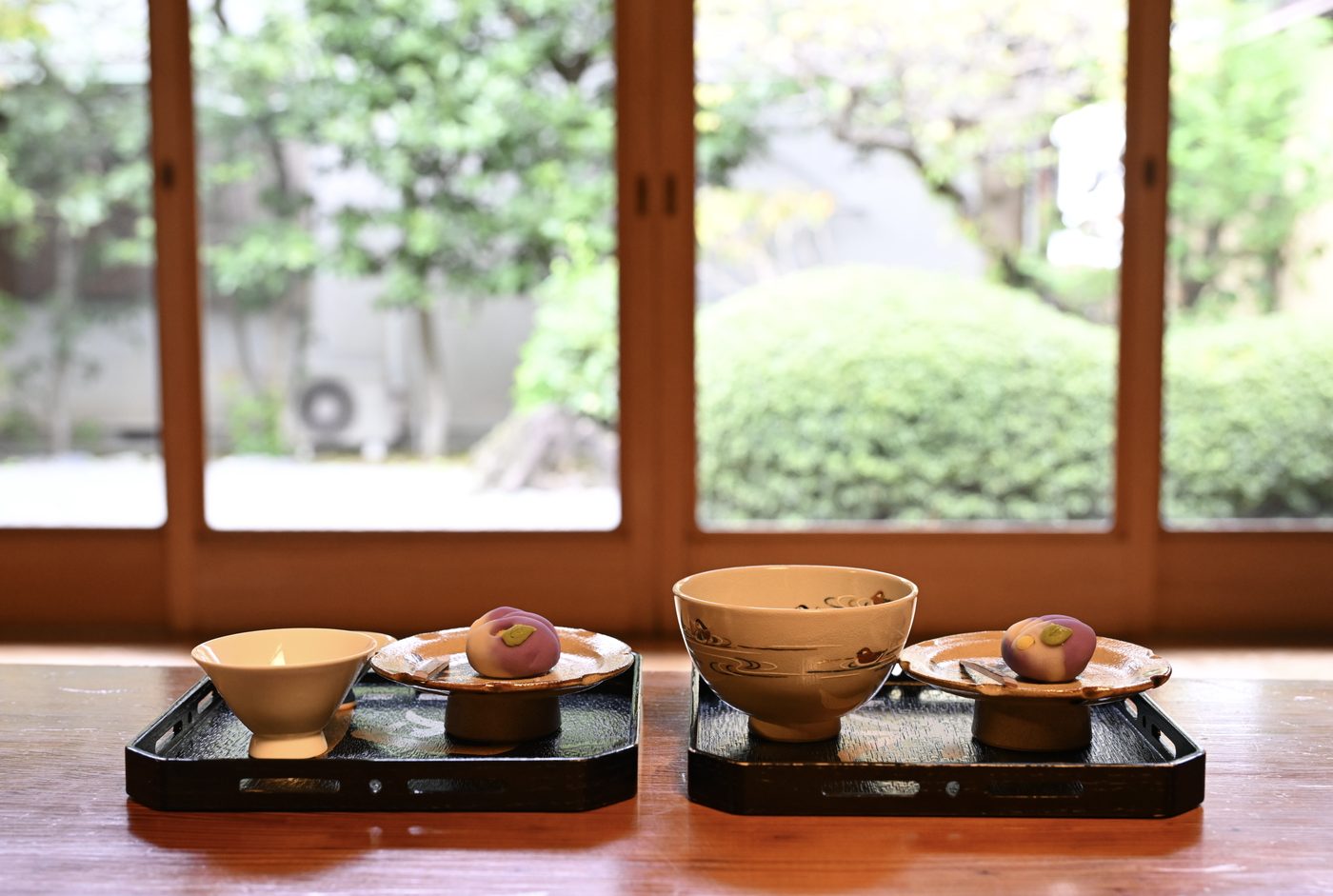
A local tea experience, with someone to guide you
You don't need to know tea terminology or speak Japanese to enjoy the visit. Your guide helps explain the tea and the way it is served, so you can concentrate on tasting it. We keep the exact venue as a discovery for tour participants while sharing what the experience involves here.
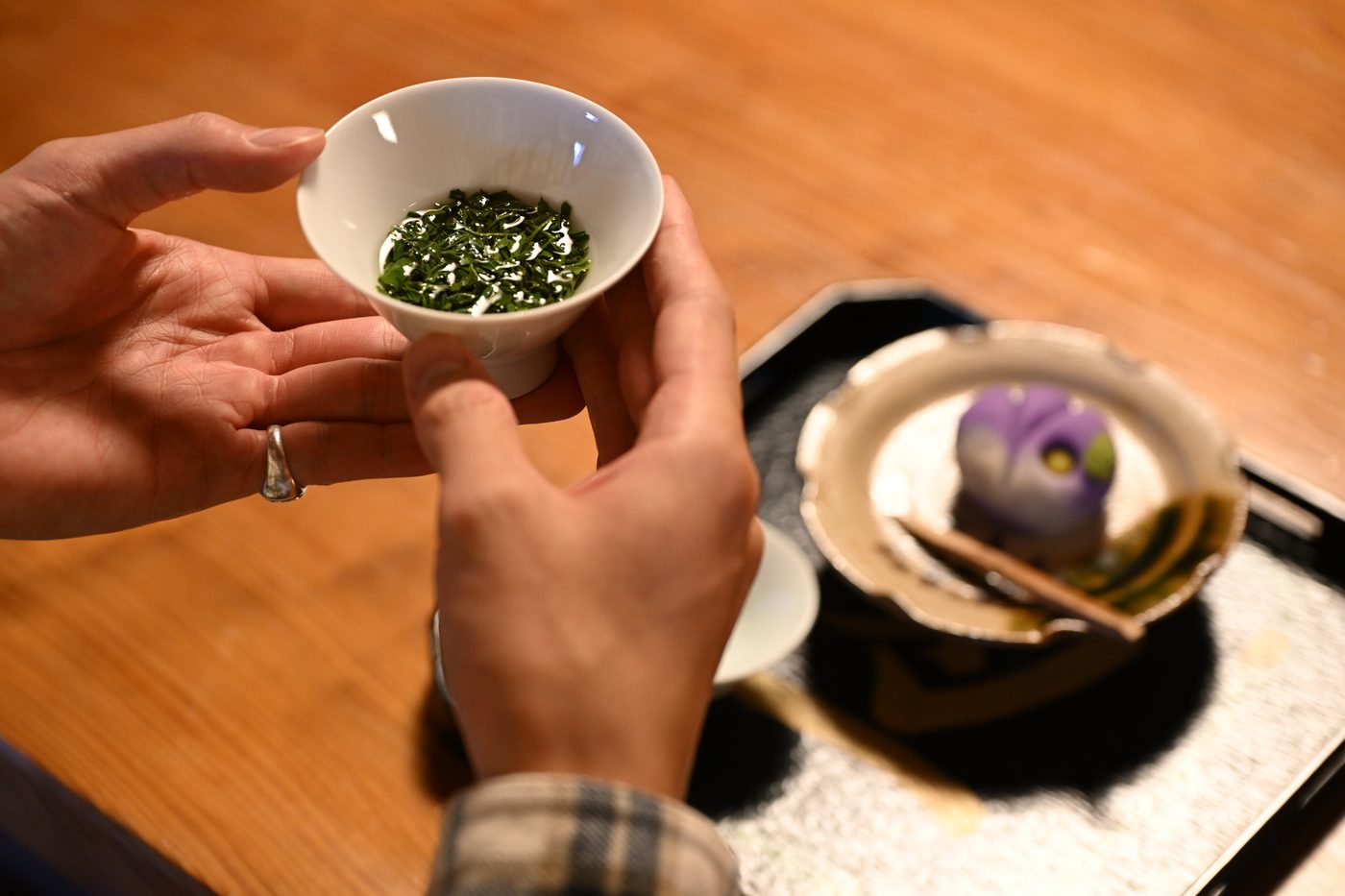
One cup, served slow and low
This isn't a quick cup from a vending machine, and it isn't bitter the way many visitors expect — made from hand-picked young leaves, it's soft, deeply fragrant and rich in umami. You're served a single, carefully prepared tea — one type, one cup — and shown how to draw the best from it. A small lidded cup holds about four grams of leaf. The first pour is deliberately cool, around 40°C, coaxing out sweetness and aroma rather than bitterness; you sip it through a narrow gap between the lid and the cup. Then a little hotter water for a second steeping, hotter again for a third, so the same leaf shows a different face each time — a slow, attentive way to taste how one tea changes.
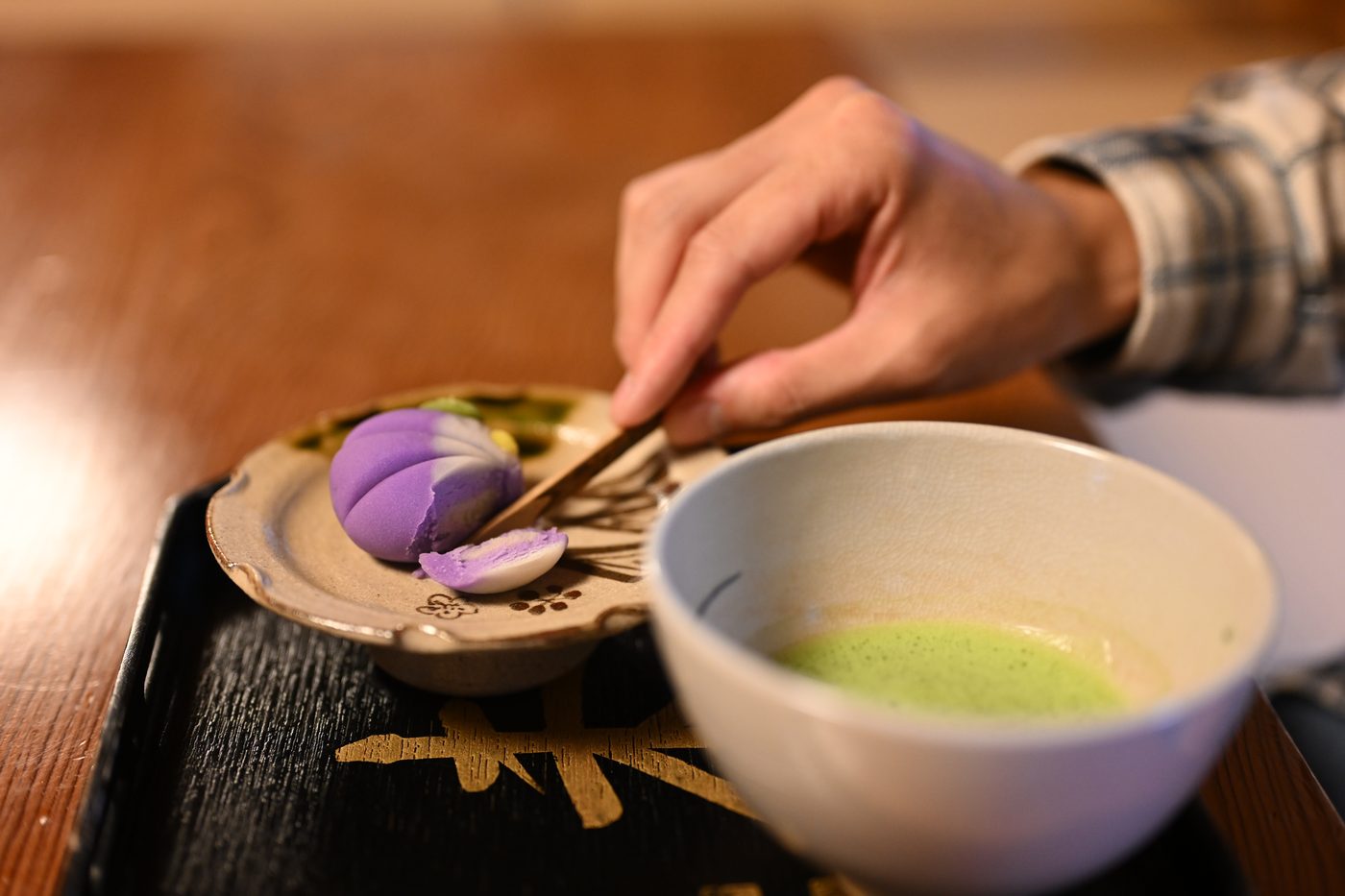
A seasonal sweet, made by hand
The tea doesn't come alone. With it comes a hand-made Japanese sweet — usually nerikiri, sweet white-bean paste shaped into the flowers of the moment: hydrangea in the rainy season, cherry blossom in spring. It isn't just something sweet; it's a small, edible expression of the season. Tasting the umami of the tea against its gentle sweetness carries one of the quiet ideas at the heart of Japanese culture — that you eat and drink the season, not just the food.
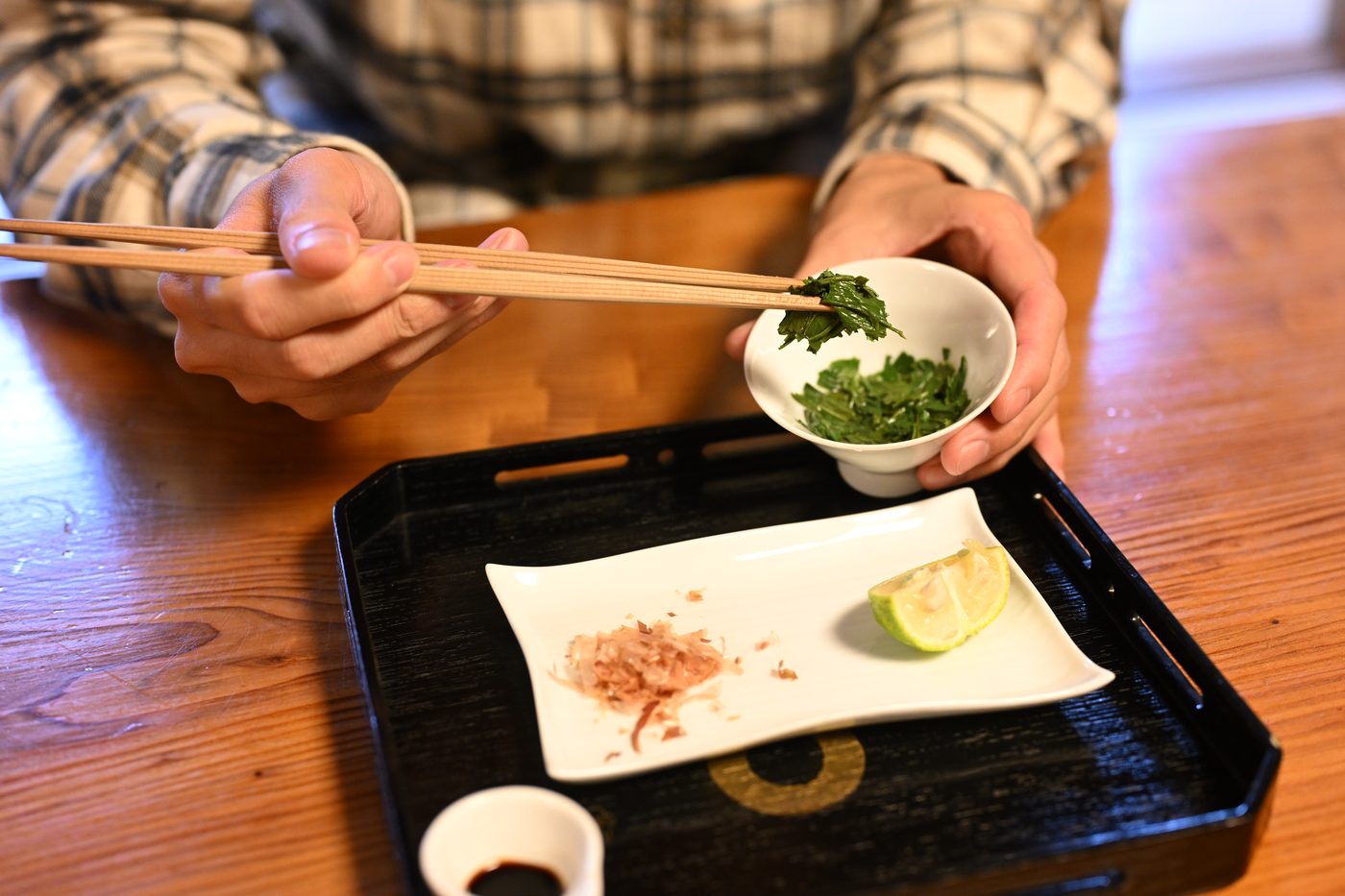
Then you eat the leaves
Here's the part that surprises even Japanese guests: you eat the tea leaves. Most green tea leaves are made only for steeping, never for eating. But when the leaf is this tender — young, hand-picked, top grade — the steeped leaves become a small dish of their own. After the final infusion they're lifted into a bowl and seasoned with soy sauce, a little bonito, sometimes a touch of yuzu. Green tea you don't just drink, but eat.
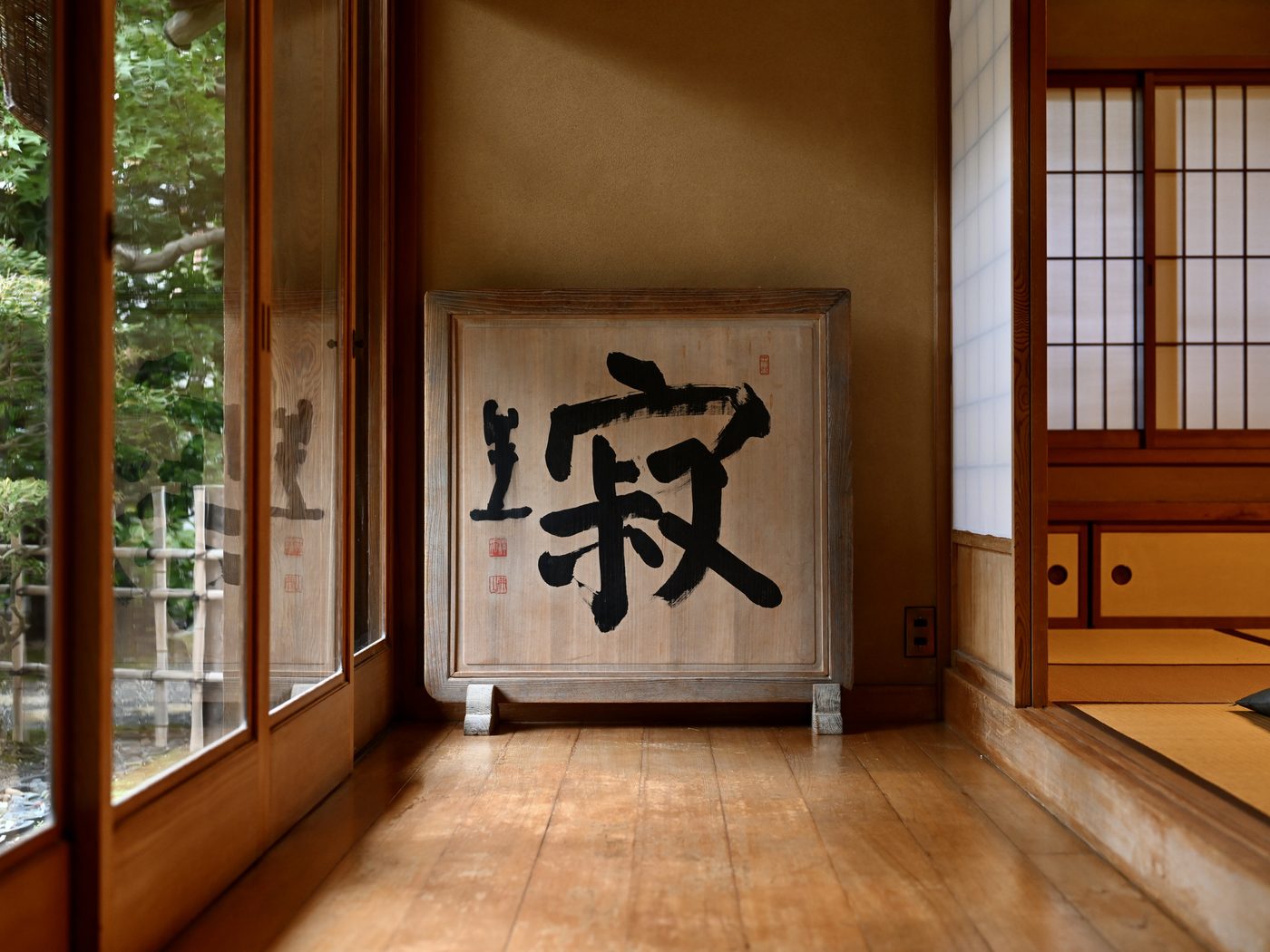
Time to slow down
The setting is part of the pleasure: a quiet room, a garden view and time to notice how the tea changes between infusions. It adds a cultural moment to a day at Mt. Fuji, including days when the mountain is behind clouds. Tell us that tea is a priority when planning your private tour so we can discuss how it fits alongside your other interests.
Coming all this way for Mt. Fuji and only looking at the mountain would be a shame. At its foot is a green-tea culture shaped by the same water, air and climate — the local, unhurried side of Fuji that most visitors never reach.
Before you book
Is this a standalone tea experience?
This page introduces tea as part of our private Mt. Fuji tour. The private tour lasts 4 hours and starts and finishes at Shin-Fuji Station. Let us know that tea is a priority when planning your day.
Are tea and sweets included in the tour price?
No. Food, drinks and activity fees are paid separately on-site. A matcha café visit is listed at ¥1,000 per person. A hands-on matcha activity is ¥3,000 per person, while a tea ceremony is ¥20,000 per group. These are different options; confirm the experience you want when planning your tour.
Is the green-tea visit the same as a matcha tea ceremony?
No. The sencha experience described here focuses on brewing and tasting leaf tea. A hands-on matcha activity and a tea ceremony are separate options with different costs.
What should I mention before booking?
Tell us your food allergies or dietary requirements, your interest in tea and your onward train plans. The sweet and leaf dish described here may contain ingredients you need to avoid, including fish in the leaf seasoning. We cannot promise substitutions without checking.
Do you publish the tea venue address?
We describe the experience and booking details here; the exact venue is part of the discovery for tour participants. Your guide handles the visit during your tour.